
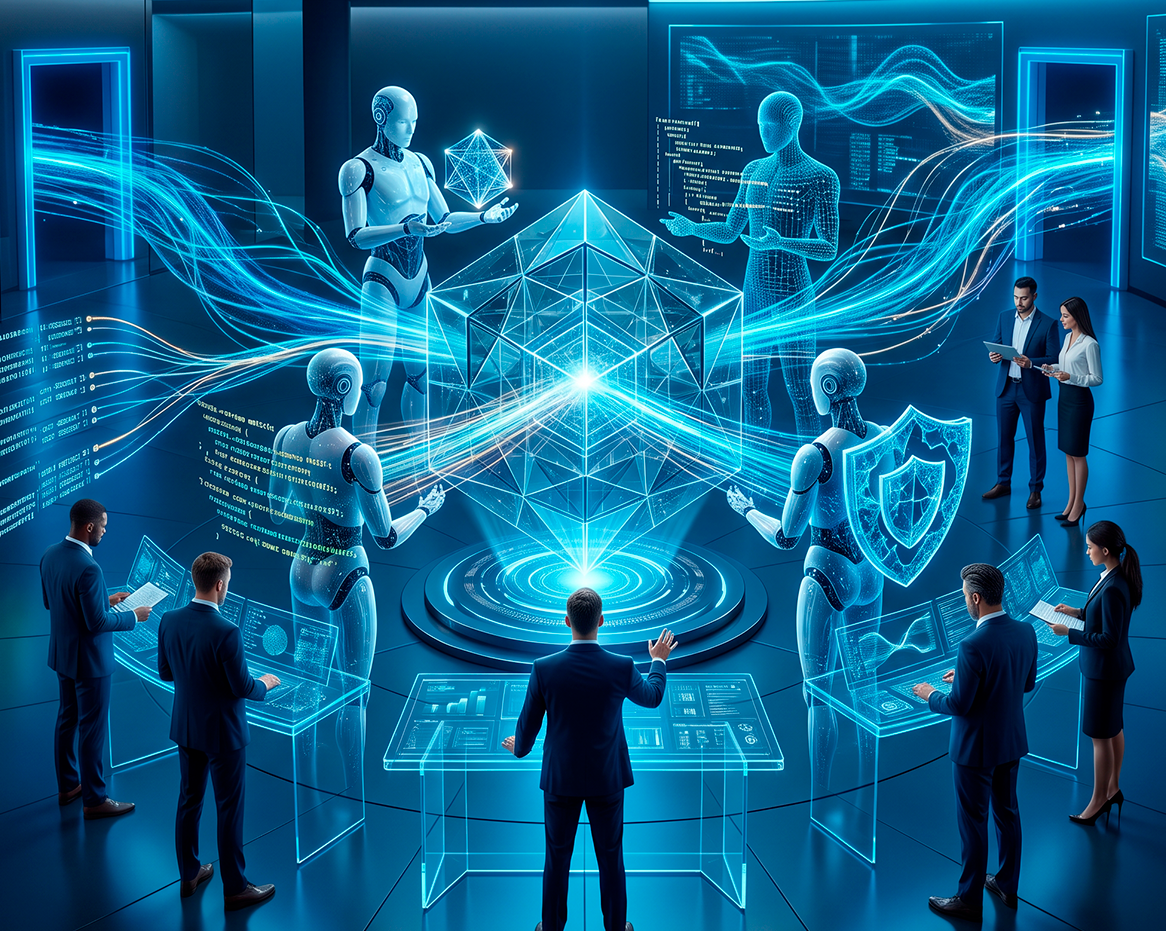


In traditional software development, incorporating new functionality is typically a lengthy process encompassing everything from architecture definition to code writing, testing, and documentation. While the advent of AI assistants has facilitated the writing of individual blocks of code, the real quantum leap occurs when Multiple specialized agents collaborate with each other in a coordinated manner.
From individual assistance to multi-agent collaboration
A multi-agent ecosystem functions like an automated development cell where each entity assumes a specific role. While one agent analyzes business requirements and designs the structure, another writes the source code, a third generates unit tests, and a fourth audits security. This interaction is continuous and parallel. It eliminates downtime between stages, drastically accelerating the product life cycle..
Friction reduction and quality assurance
For technology directors and engineering leaders, the main benefit of this approach is not just speed, but the operational consistencyAgent orchestration helps mitigate the buildup of technical debt by verifying quality standards in real time, allowing senior engineers to focus on strategic architecture and business value instead of mechanical tasks.
Direct impact on time to market
Implementing multi-agent models allows companies to respond to market demands with greater agility. releasing continuous improvements and new features in a fraction of the usual time.
Are you looking to optimize your engineering team's delivery capacity using advanced artificial intelligence solutions?
In Zenta We help organizations integrate modern technological architectures that boost business competitiveness. Contact us and let's take the productivity of your systems to the next level.