



Controlling the flow of people is part of the health measures in times of pandemic, which shopping centers, supermarkets, retail stores and other public venues have today.
As part of that prevention, applications have been created so that people can schedule their visits, avoid queuing, or maintain the social distancing required by the authorities.
“But what happens if we schedule a visit and the place is at maximum capacity? Or what would be the best time to go? That was the challenge posed to us by our client, a major chain of shopping centers, and which our team took on through a project focused on redistributing the capacity of visitors and improving their user experience.”
In this initiative, we worked with great commitment and collaboration: Gabriel Navarrete, Technical Leader; Scrum Master, Ronald Villegas; developers Genesis García and Oriana Rivas; Back End developers Engelbert Freites and Ricardo Muñoz; DevOps Antonio Cayulao; QA Cristhobal Astorga and architect Francisco Acuña.
“Our client already has a scheduling system, and what we did with our project was to complement that. To do this, we worked on creating a website so that users can select the venue they will visit, and once that is done, the system internally receives a metric that indicates in real time the capacity of the venue,” explains Ronald Villegas.
How does this data translate for people? It's like a traffic light. If it's red, the place is packed; if it's yellow, it's getting crowded; and if it's green, it's a great time to visit because the flow of people is still low. All this information is collected from a BigQuery database that captures, calculates, and stores the data.
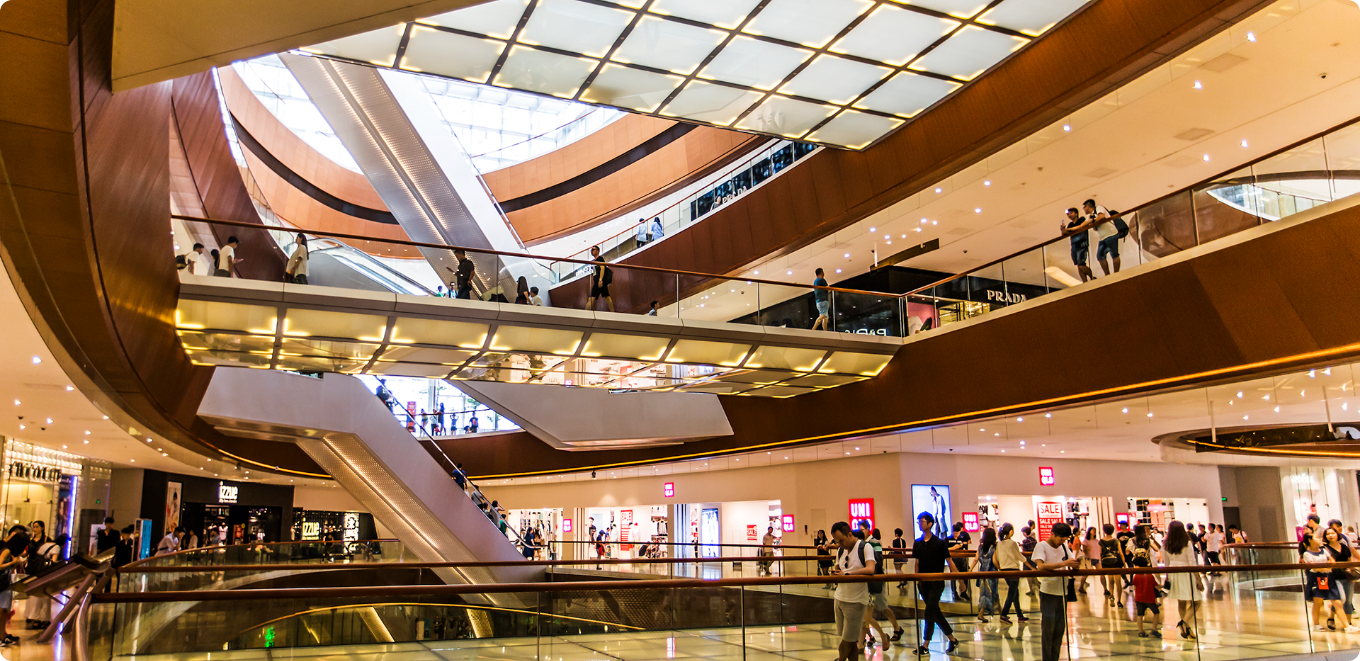
“In addition to the above, the tool also presents a user-friendly graphic showing the projected visitor numbers by day and hour within the venue,” he says.
Regarding the technologies they used, he tells us that the entire project was built on GCP, for which they worked on the Front End with Angular, for the Back End with Java Spring Boot, and for DevOps they used Kubernetes.
“Although it was a limited project, we took a little more time because we wanted to strengthen the business experience and decided to improve what had been proposed in terms of infrastructure,” he explains.
Among the benefits our client expects to receive from using this tool are obtaining real-time visitor traffic data and improving the visitor experience, because it will allow them to better plan their visit and feel a greater sense of health security, among other things.
Regarding the team, Ronald Villegas emphasizes that “they have been very committed, collaborative, and focused on resolving any problems that arise. From the very beginning, they have been concerned with satisfying the customer, delivering a product that generates value, and this has been reflected in the fact that we have all aligned ourselves with the goals to be achieved.”
Once again, we congratulate our talented team for their commitment, dedication, and work ethic in a project that allows our client to continue advancing and resolving, through technology, the problems and challenges presented by capacity management in shopping centers.