
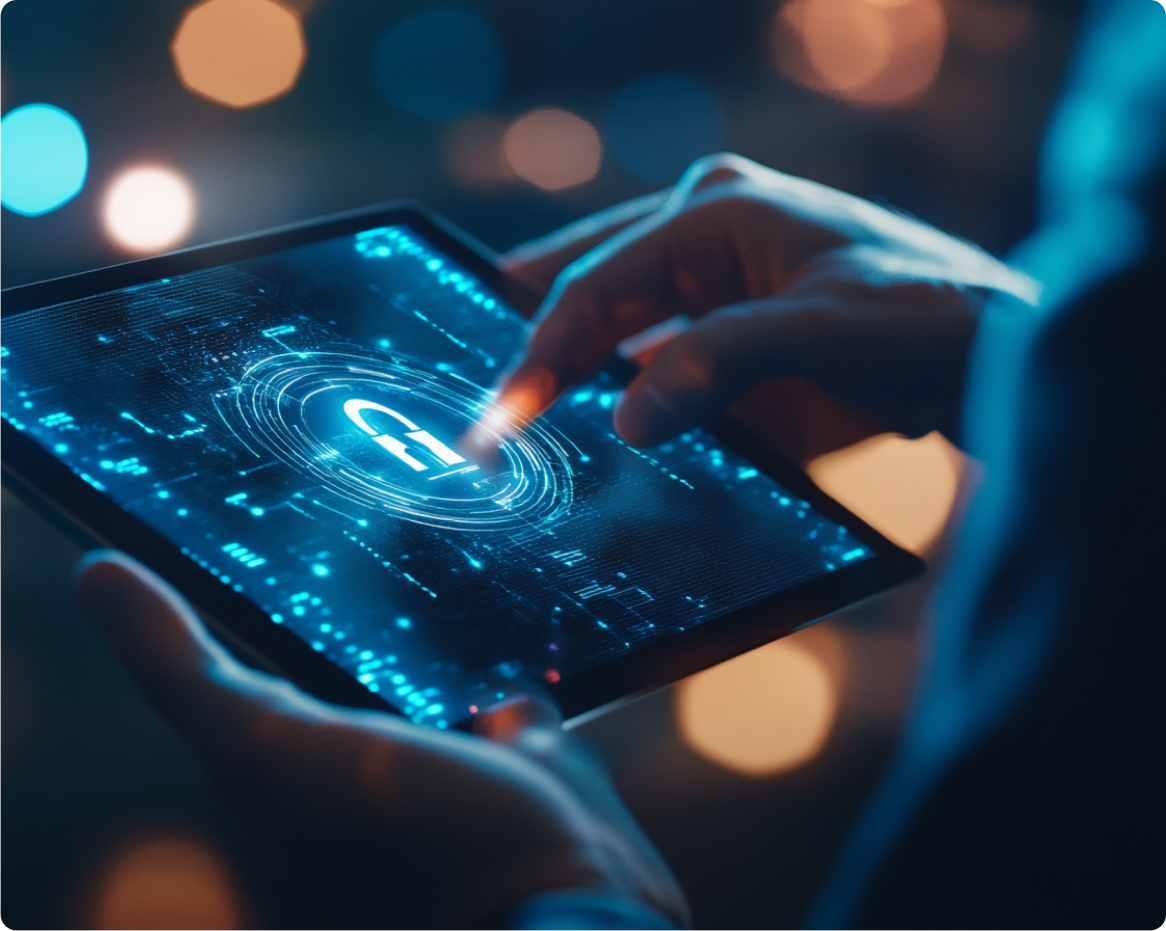


This digital identity verification technology is generating mixed opinions regarding its benefits and the security challenges it presents.
Digital identification is becoming the future of identity verification...being present in bank account access, service requests, and much more. This type of technology aims to make life easier and safer for people, but…
Can the security and privacy of our data be guaranteed? Today I want to explain to you the challenges that Digital Identification faces, to expand our horizons and discover that it is also a mechanism to improve security.
• Use of personal data: This type of identification stores a lot of personal information in centralized systems, so if they are not well protected, they could be the target of cyberattacks, stealing data to later carry out scams or frauds.
• Digital divide: There are still many countries where not everyone has access to the internet or mobile devices. This, coupled with distrust or lack of knowledge about these technologies, creates a considerable digital divide that prevents maximizing the use of this identification.
• Freedom and privacy: The risk that some governments or companies might use digital identification to monitor people causes fear among the population, and the risk of privacy breaches limits the use of this technology.
But, despite these problems or challenges, this technology has another side, one that delivers great opportunities to improve our security:
• High protection: Digital identification allows us to use advanced technologies, such as multi-factor authentication and the encryptedhelping to protect personal data, so that identity theft or account access is very difficult.
• Fraud reduction: Implementing digital identification reduces fraud, as it makes it much more difficult for cybercriminals to impersonate someone else. All of this boosts confidence when making purchases or any transaction through devices such as computers and cell phones.
• Quick access: This technology allows much easier and faster access to services, and is being implemented in many countries, in banks, legal document signing, medical services, and even online voting.
All of this sounds extremely promising, but for digital identification to continue growing and becoming useful, it needs to find the balance between security and privacy, is a key piece.
Governments and businesses must not only ensure, but to ensure that our data is protected and have the corresponding privacy, ensuring ethics and responsibility.
This, along with technologies such as encryption and artificial intelligenceIt is possible to make digital identification increasingly secure, fair, and transparent, making life much easier for millions of people. easy, efficient And of course, safe.
References:
Ref 2: https://microblink.com/es/resources/blog/digital-id-verification/