
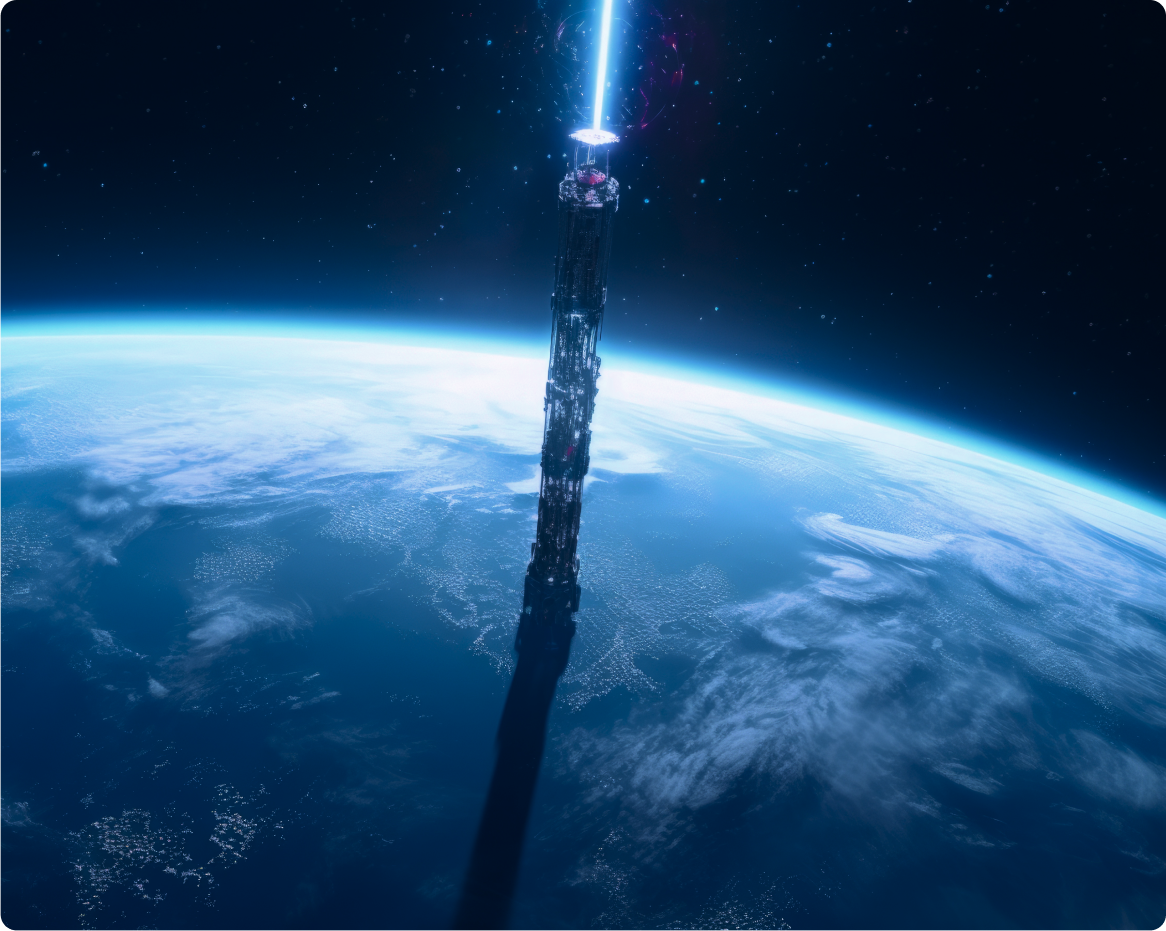


It will be possible to work, communicate, and browse from virtually anywhere on the planet.
Imagine being at a campsite, surrounded by mountains, or in the middle of the desert, and being able to take uninterrupted work video calls, answer emails, or coordinate projects in real time. This vision is about to become a reality in 2025, thanks to Starlink Direct to Cell, an innovative technology that promises to revolutionize global connectivity.
What is Starlink Direct to Cell?
It is a service developed by SpaceX that Connect any mobile phone, without modifications, directly to satellites in orbit. This eliminates the need for telecommunications towers, opening up a world of possibilities for rural, remote areas or areas with little network infrastructure.
Following successful trials in 2024, Starlink is preparing to launch its commercial service in 2025. This will include text messages, calls, mobile data and connectivity for IoT (Internet of Things) devices. In other words, it will be possible to work, communicate, and browse from virtually anywhere on the planet.
What does this mean for professionals?
With Direct to Cell, working remotely from previously inaccessible locations will become a tangible possibility. It will not be necessary to rely on terrestrial coverage Virtual meetings, cloud-based project management, and real-time collaboration can be carried out from anywhere, whether it's a campsite, a rural area, or even in the middle of the ocean.
The challenges overcome by Starlink
• Connect standard phones: It uses advanced antennas and custom technology to connect ordinary mobile phones to moving satellites.
• Mobility and speed: The satellites, which move at 7.7 km/s, guarantee a smooth connection without interruptions.
• Global coverage: Thanks to partnerships with operators such as T-Mobile, Rogers and Optus, the service will be accessible in several countries and will function as a global roaming partner.
The future of connectivity
In addition to facilitating remote work, this technology will have transformative applications in:
• Emergencies: Maintaining communication in natural disasters where terrestrial networks are not working.
• Industry and agriculture: Promoting IoT devices in maritime transport, smart agriculture, and remote monitoring.
• Tourism and adventure: Travelers will be able to stay connected from anywhere.
Starlink Direct to Cell is not just a technological advance, but a step towards a truly connected worldwhere location will no longer be a limitation to working, communicating, or innovating.
What do you think of this new era of connectivity? Can you imagine working from anywhere in the world? Share and leave me your comment!
References:
Ref 1: https://api.starlink.com/public-files/DIRECT_TO_CELL_FIRST_TEXT_UPDATE.pdf